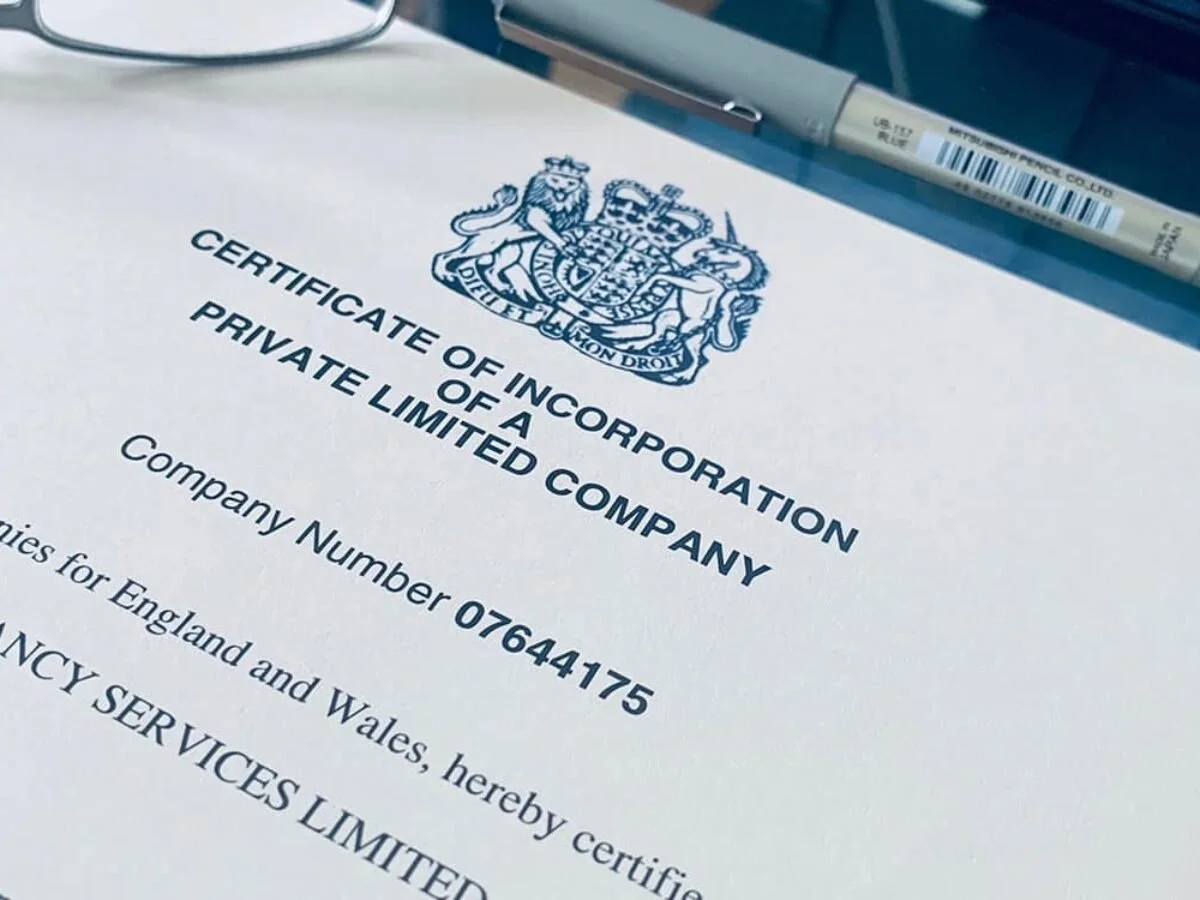
Closing a company is sometimes the most practical and responsible business decision. Whether your company has stopped trading, never commenced operations, or has fulfilled its purpose, a voluntary dissolution allows you to formally close a UK company in a lawful and orderly manner.
However, closing a company is not as simple as stopping activity. There is a defined legal process, and missing even a small step can lead to objections, penalties, or future complications. This guide explains how voluntary dissolution works, when it is appropriate, and how to close a UK company properly.
For directors who prefer a smooth and compliant exit, FormationsHunt offers a professional company dissolution service that handles the full legal process on your behalf, helping you close your company correctly and without unnecessary stress.
What Is Voluntary Dissolution?
Voluntary dissolution is the process by which directors formally apply to have a solvent UK company struck off the register. Once dissolved, the company legally ceases to exist and is no longer required to file accounts or confirmation statements.
This option is generally used for:
- Dormant companies
- Companies that have ceased trading
- Businesses with no outstanding debts
It is important to note that voluntary dissolution is only suitable for companies that are financially solvent.
When Is Voluntary Dissolution the Right Choice?
Voluntary dissolution may be suitable if your company:
- Has stopped trading completely
- Has no outstanding creditors
- Has settled all taxes and liabilities
- Is not involved in legal disputes
- Is not subject to insolvency proceedings
Common reasons include restructuring, retirement, project completion, or simply deciding not to proceed with a business idea.
When Voluntary Dissolution Is Not Allowed
A company cannot be voluntarily dissolved if:
- It is still trading or receiving income
- It has unpaid debts or liabilities
- It is in liquidation or administration
- It has sold assets or changed its name in the last 3 months (with limited exceptions)
Applying in these circumstances can result in rejection and potential director liability.
What Needs to Be Done Before Closing a Company?
Before applying for voluntary dissolution, directors must ensure the company is fully compliant.
Stop Trading
All business activity must cease before the application is made.
Settle All Liabilities
This includes:
Finalise Company Records
Any required final filings should be completed, and company bank accounts should be closed after distributing remaining funds.
At this stage, many directors choose professional support to ensure nothing is overlooked. Even minor compliance issues can delay the process or lead to objections later.
How the Voluntary Dissolution Process Works
Once the company is eligible, the process follows these steps:
1. Director approval to close the company
2. Submission of the dissolution application (DS01)
3. Notification of interested parties, including shareholders and creditors
4. Public notice period, during which objections can be raised
5. Official dissolution, if no objections are received
From start to finish, the process usually takes around three months, assuming everything is completed correctly.
Getting the Process Right the First Time
While voluntary dissolution may appear straightforward, mistakes are common, such as filing too early, missing legal requirements, or failing to prepare proper internal approvals.
This is where using a managed dissolution service can be beneficial. For example, FormationsHunt supports directors throughout the process by ensuring all legal conditions are met before applying, handling the paperwork accurately, and reducing the risk of rejection or future restoration.
Their Company Dissolution service (£89.99) is designed to simplify the process and includes:
- Ensuring all legal requirements for dissolution are met
- Companies House fee paid on your behalf
- DS01 form completed and filed correctly
- Preparation of board meeting minutes, ensuring proper authorisation
For many directors, this removes uncertainty and ensures the company is closed cleanly and compliantly.
What Happens to Company Assets?
All company assets must be dealt with before dissolution.
Any remaining money or assets should be distributed to shareholders prior to closing. If assets remain after dissolution, they automatically pass to the Crown as bona vacantia.
This is a common oversight and one of the main reasons companies are later restored to the register.
Director Responsibilities After Dissolution
Even after the company is dissolved, directors must:
- Retain company records for at least 7 years
- Ensure all tax matters were properly finalised
- Respond if the company is restored due to an objection or error
Incorrect or misleading dissolution can result in penalties or personal liability.
Common Mistakes to Avoid
- Applying while the company is still trading
- Forgetting to settle tax or VAT obligations
- Leaving funds in the company bank account
- Missing internal approvals or documentation
- Assuming dissolution is instant
Avoiding these mistakes ensures the company stays closed permanently.
Final Thoughts: Close Your Company with Confidence
Voluntary dissolution is a lawful and efficient way to close a UK company, but only when done properly. Taking the time to follow the correct steps, or working with experienced professionals, can save you from unnecessary delays and future complications.
If your company has reached the end of its journey, make sure it is closed cleanly, compliantly, and with peace of mind.

 Client Login